Building a new foundation is one of the most critical stages in any construction project. Whether you are constructing a new home, commercial property, or expanding an existing structure, the foundation determines the long-term durability, stability, and safety of the building. Because of its importance, hiring a professional company or contractor for new foundation construction is essential to ensure quality workmanship, compliance with building codes, and long-lasting structural integrity.
This comprehensive guide explains what new foundation construction involves, the types of foundations available, why hiring a professional contractor matters, and how to choose the right construction company for your project.
What Is New Foundation Construction?
New foundation construction refers to the process of preparing the ground and building a structural base that supports a building. The foundation transfers the weight of the structure to the soil beneath it while preventing settlement, shifting, and water damage.
A properly built foundation ensures:
- Structural stability
- Resistance to moisture and soil movement
- Longevity of the building
- Safety for occupants
- Reduced maintenance costs over time
Because foundation problems can lead to serious structural damage, working with a professional foundation construction company is crucial from the start.
Types of Foundations Used in Construction
A professional contractor will recommend the best foundation type based on soil conditions, climate, building size, and budget. The most common types include:
1. Slab-on-Grade Foundation
This is one of the most popular foundation types for residential construction. A concrete slab is poured directly onto the ground, creating a solid base.
Advantages:
- Cost-effective
- Quick installation
- Low maintenance
- Energy efficient
2. Crawl Space Foundation
This type elevates the structure slightly above ground level, creating a crawl space underneath.
Advantages:
- Easy access to plumbing and electrical systems
- Protection from flooding
- Better ventilation
3. Basement Foundation
Basements provide additional living or storage space while supporting the structure above.
Advantages:
- Increased property value
- Additional usable space
- Strong structural support
4. Pier and Beam Foundation
Often used in areas with shifting soil, this foundation uses concrete piers to support beams beneath the building.
Advantages:
- Suitable for uneven terrain
- Easier repairs compared to slabs
- Good ventilation
A professional foundation contractor will evaluate soil reports, drainage conditions, and load requirements before recommending the best option.
Steps Involved in New Foundation Construction
Building a foundation requires careful planning and precise execution. A follows structured steps to ensure accuracy and durability.
1. Site Preparation
The construction area is cleared of vegetation, debris, and obstacles. The ground is leveled to prepare for excavation.
2. Soil Testing and Inspection
Soil testing determines load-bearing capacity, moisture levels, and potential expansion issues. This step is crucial for selecting the right foundation design.
3. Excavation
The contractor excavates the site according to the foundation layout. Proper excavation ensures stability and prevents settlement issues later.
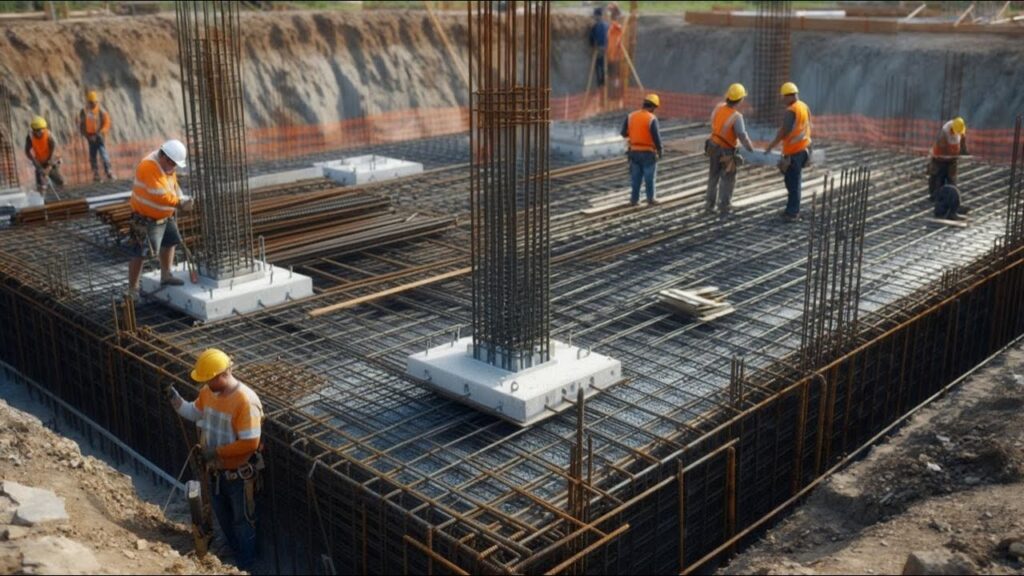
4. Formwork Installation
Wood or metal forms are installed to shape the concrete foundation. Reinforcement bars (rebar) are placed to increase strength.
5. Plumbing and Utility Placement
Before pouring concrete, underground utilities such as plumbing pipes are installed.
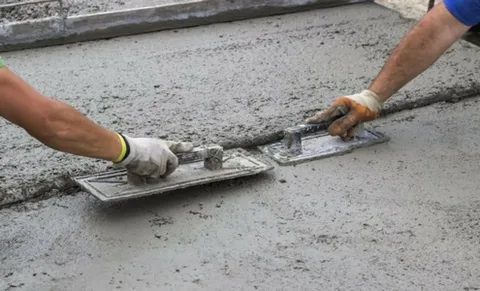
6. Concrete Pouring
High-quality concrete is poured into the forms and allowed to cure properly. Professional contractors ensure proper curing time for maximum strength.
7. Waterproofing and Drainage
Waterproof membranes and drainage systems protect the foundation from moisture damage.
8. Final Inspection
A professional company conducts inspections to ensure compliance with building codes and quality standards.
Why Hiring a Professional Foundation Company Matters
Many property owners underestimate the importance of hiring experienced professionals for foundation work. However, this decision directly impacts the building’s safety and lifespan.
Here are key reasons to hire a professional foundation construction contractor:
Expertise and Experience
Professional contractors understand soil behavior, structural engineering principles, and local building regulations. Their experience helps prevent costly mistakes.
Quality Materials
Reputable companies use high-quality materials that enhance durability and performance.
Advanced Equipment
Professional construction companies use modern equipment for excavation, leveling, and concrete placement, ensuring precision.
Code Compliance
Building codes vary by location. Professional contractors ensure your project meets all regulations and passes inspections.
Long-Term Cost Savings
A poorly built foundation can lead to cracks, water damage, and structural failure. Hiring professionals prevents expensive repairs in the future.
Warranty and Insurance
Professional companies often provide warranties and carry insurance coverage, protecting homeowners from liability.
Signs You Need a New Foundation
Sometimes, new foundation construction is required when building additions or replacing severely damaged foundations. Common signs include:
- Large cracks in walls or floors
- Uneven or sloping floors
- Doors and windows sticking
- Water seepage in the basement
- Structural shifting
- Foundation settlement
A professional contractor can inspect your property and recommend whether repair or new foundation construction is necessary.
Choosing the Right Professional Foundation Contractor
Selecting the right contractor is essential for project success. Here are important factors to consider:
1. Licensing and Certification
Always choose a licensed contractor with proper certifications to ensure compliance with industry standards.
2. Experience and Reputation
Look for companies with years of experience and positive customer reviews.
3. Portfolio of Previous Projects
Review past projects to evaluate workmanship quality.
4. Transparent Pricing
A professional company provides detailed estimates without hidden costs.
5. Communication and Customer Service
Good communication ensures smooth project management and timely completion.
6. Warranty and Guarantees
Reliable contractors stand behind their work with warranties.
Cost of New Foundation Construction
The cost of foundation construction varies depending on several factors:
- Foundation type
- Soil condition
- Property size
- Materials used
- Labor costs
- Location
- Drainage requirements
While it may be tempting to choose the lowest quote, hiring a professional foundation company ensures better long-term value and fewer repairs.
Benefits of Professional New Foundation Construction
Working with an experienced contractor provides numerous advantages:
- Structural safety and durability
- Increased property value
- Better moisture protection
- Energy efficiency improvements
- Reduced maintenance costs
- Compliance with building standards
- Peace of mind for property owners
A strong foundation also improves the performance of the entire building, including walls, roofing, and flooring systems.
Modern Technologies in Foundation Construction
Professional construction companies now use advanced technology to improve accuracy and efficiency:
- Laser leveling systems
- Soil stabilization techniques
- High-performance concrete mixtures
- Waterproofing membranes
- 3D design planning
- Structural reinforcement innovations
These technologies help ensure foundations last for decades with minimal issues.
Residential vs Commercial Foundation Construction
While the principles are similar, residential and commercial foundations differ in complexity.
Residential Foundations
- Designed for lighter loads
- Typically slab or crawl space systems
- Faster installation timelines
Commercial Foundations
- Support heavier structures
- Require advanced engineering
- Often involve deep foundations or pilings
- More complex regulations
Hiring a professional contractor with commercial experience is essential for business properties.
Maintenance Tips After Foundation Construction
Even a professionally built foundation requires proper maintenance to maximize lifespan:
- Maintain proper drainage around the property
- Keep gutters clean
- Monitor cracks or moisture issues
- Avoid planting large trees near the foundation
- Schedule periodic inspections
Preventive maintenance protects your investment and prevents structural damage.
Common Mistakes to Avoid
Property owners sometimes make decisions that lead to foundation problems:
- Hiring unlicensed contractors
- Skipping soil testing
- Using low-quality materials
- Ignoring drainage planning
- Rushing curing time
- Choosing price over quality
Working with a professional foundation construction company helps avoid these costly errors.
How Long Does Foundation Construction Take?
Project timelines vary depending on size and complexity, but general estimates include:
- Site preparation: 1–3 days
- Excavation: 2–5 days
- Formwork and reinforcement: 2–4 days
- Concrete pouring and curing: 5–10 days
- Waterproofing and finishing: 2–3 days
Weather conditions and inspections may affect schedules.
The Importance of Soil and Climate Considerations
Soil type significantly impacts foundation performance. Expansive clay soils, sandy soils, and rocky terrain require different construction approaches.
Climate factors such as rainfall, temperature changes, and frost levels also influence foundation design. Professional contractors analyze these conditions before construction begins.
Conclusion
New foundation construction is one of the most important investments in any building project. A strong, properly constructed foundation ensures safety, durability, and long-term value. Choosing a professional company or contractor guarantees expert planning, quality materials, and compliance with building standards.
Whether you are building a new home, commercial property, or structural addition, working with an experienced foundation construction contractor provides peace of mind and protects your investment for decades to come.