Water has a way of finding the one weak spot in your home you didn’t know existed. A hairline crack in the foundation, a poorly sealed window ledge, or an aging basement wall can quietly let moisture in for months before anyone notices the damage. By the time stains, mold, or a musty smell show up, the problem has usually been building for a while. That’s where professional waterproofing services come in — and why choosing the right waterproofing company matters just as much as the work itself.
What Waterproofing Services Actually Cover
Waterproofing isn’t a single task; it’s a category of work that changes depending on where the water is getting in and how your home is built. A reputable waterproofing contractor will usually offer some combination of the following:
Basement waterproofing addresses water seeping through foundation walls or rising through the floor. This might involve interior drainage systems, sump pumps, vapor barriers, or exterior excavation and sealing, depending on how severe the intrusion is.
Foundation crack repair targets the actual entry points. Even small cracks can widen over time as water freezes, expands, and pushes through concrete, so sealing them early is far cheaper than dealing with structural repairs later.
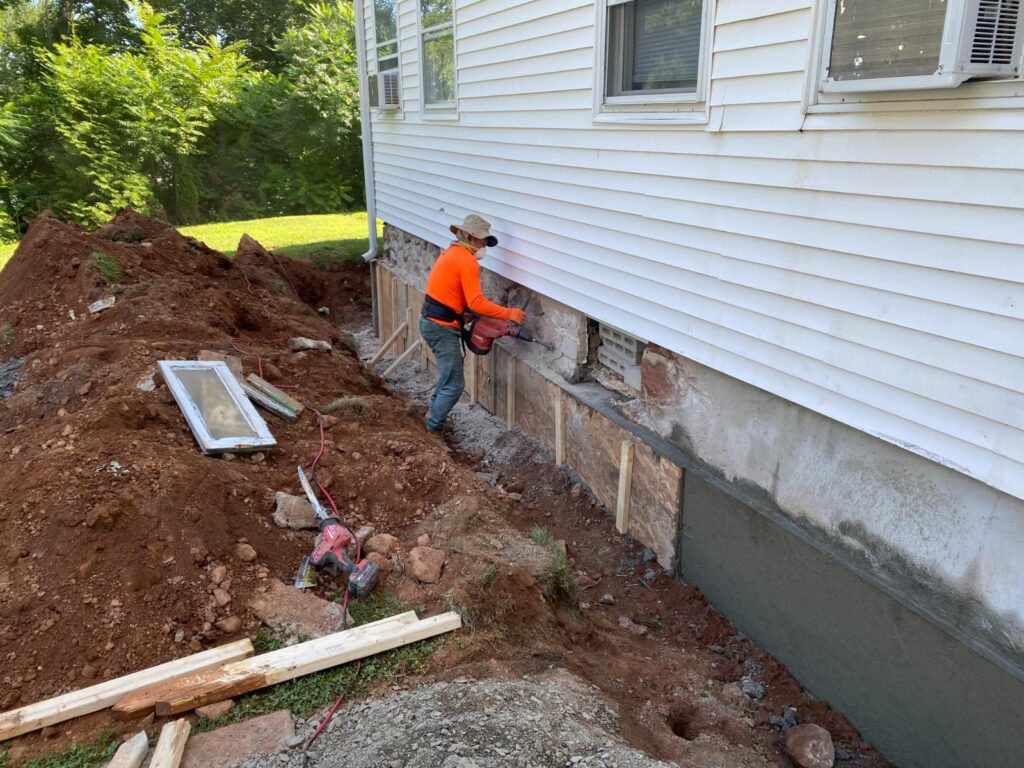
Exterior waterproofing involves digging along the foundation to apply a waterproof membrane and improve drainage away from the house. It’s more invasive and costly than interior fixes, but it’s often the only real solution for homes with a high water table or chronic flooding.
Crawl space encapsulation seals off the crawl space from ground moisture using vapor barriers and sometimes dehumidifiers, which helps prevent wood rot, mold, and poor indoor air quality upstairs.
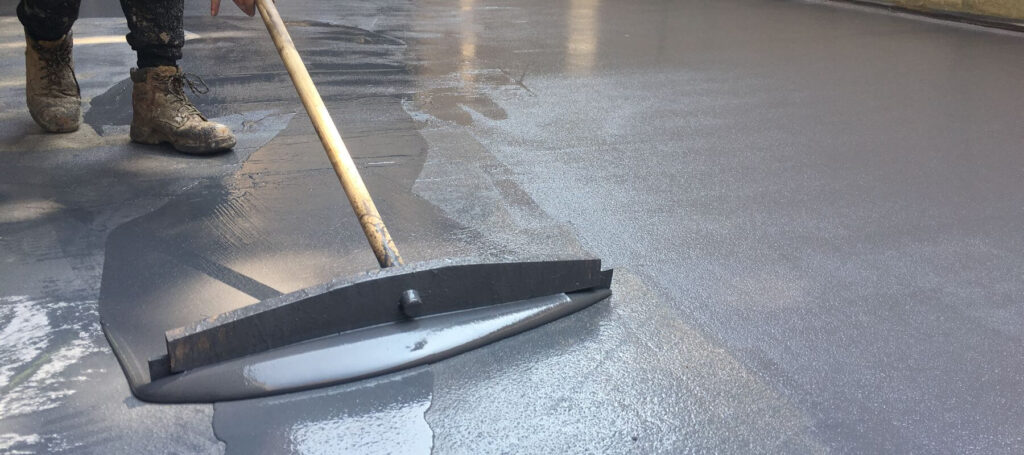
Roof and deck waterproofing protects flat roofs, balconies, and decks from pooling water, which can otherwise seep into the structure below and cause rot long before it’s visible from inside.
A good waterproofing company won’t just push one service — they’ll inspect the actual source of the problem and recommend the right fix, not the most expensive one.
Signs You Might Need a Waterproofing Contractor
Most people don’t call a waterproofing contractor until there’s a visible problem, but early signs are often easy to miss if you’re not looking for them:
- A musty, damp smell in the basement or crawl space that doesn’t go away with ventilation
- Efflorescence — the white, chalky mineral deposits that form on concrete walls after water evaporates
- Peeling paint or bubbling drywall near the foundation line
- Visible cracks in basement walls or the slab, especially ones that seem to be growing
- Pooling water near the foundation after rain, rather than draining away
- A noticeable increase in humidity on the lower floors of the house
None of these on their own means disaster, but together they’re a pretty reliable signal that moisture is finding its way in somewhere.
How to Choose the Right Waterproofing Company
Not every contractor who advertises waterproofing services actually specializes in it. Here’s what tends to separate a solid company from one you should skip:
Ask for a real inspection, not just a quote. A trustworthy waterproofing contractor will want to actually look at your foundation, grading, and drainage before recommending a fix. If a company gives you a price over the phone without ever seeing the property, that’s a red flag.
Check for licensing and insurance specific to your state. Waterproofing work often involves excavation and structural elements, so a company should carry the right coverage — not just a general contractor’s license.
Ask about warranties. Reputable waterproofing companies typically back their work with a warranty, sometimes transferable if you sell the home. If a contractor won’t commit to standing behind their own repair, that says something.
Get more than one opinion. Waterproofing quotes can vary wildly — from a simple crack seal to a full exterior excavation costing many times more. A second opinion from another contractor helps you understand whether the more expensive fix is actually necessary or just upselling.
Read reviews that mention long-term results. A lot of reviews focus on how the crew behaved on install day. Look instead for reviews from people who mention whether the fix held up a year or two later — that’s the real test of any waterproofing job.
Why Waiting Rarely Pays Off
It’s tempting to put off calling a waterproofing company when the problem seems minor — a little dampness here, a small stain there. But water damage compounds. A small leak today can mean a compromised foundation, mold remediation, or a full basement renovation a few years down the line. The cost of fixing the problem early is almost always smaller than the cost of fixing what it eventually causes.
FAQS
How much do waterproofing services cost?
It varies by job. Interior crack sealing or a sump pump costs far less than exterior waterproofing, which involves excavation. Get a written estimate from a licensed contractor after an in-person inspection.
How long does a waterproofing job take?
Interior work usually takes one to three days. Exterior waterproofing takes longer — often a few days to over a week, depending on home size and weather.
Is interior or exterior waterproofing better?
They solve different problems. Interior waterproofing redirects water that’s already in. Exterior waterproofing stops it before it reaches the foundation. A waterproofing company can tell you which fits your situation.
Can I waterproof my basement myself?
DIY sealants help with very minor dampness but rarely fix the root cause. Beyond light moisture, call a professional waterproofing contractor.
Does homeowners insurance cover waterproofing repairs?
Usually not, unless caused by a sudden event like a burst pipe. Gradual water intrusion is typically treated as a maintenance issue. Check your policy to confirm.
How do I know if a waterproofing warranty is legitimate?
Get it in writing, and confirm whether it covers labor, materials, or both. Some warranties transfer to a new owner if you sell. A legitimate company won’t hesitate to put this in writing.