Water is patient. It seeps through tiny cracks, travels along hidden pathways, and finds weaknesses you never knew existed. A small leak today becomes a flooded basement tomorrow. Mold grows behind walls where you cannot see it. Foundations crack and shift as water erodes the soil beneath your home. Waterproofing is not a luxury — it is essential protection for your most valuable investment. Understanding how water damages homes and how professional contractors stop it saves you from catastrophic repairs down the road.
Why Waterproofing Matters More Than Most Homeowners Realize
Many homeowners only think about waterproofing after water has already invaded their living space. By then, the damage is done. Carpets are ruined. Drywall is stained. Personal belongings are destroyed. The truth is that water causes more damage to homes than fire, storms, or earthquakes combined — yet most homeowners ignore it until they see puddles on their basement floor.
A professional waterproofing company understands that water damage starts long before you see any visible signs. A licensed waterproofing contractor can inspect your home’s foundation, grading, drainage, and interior systems to identify vulnerabilities you would never notice on your own. Hiring a reputable local contractor before problems appear costs a fraction of what emergency water damage restoration demands.
Common Signs Your Home Needs Waterproofing
Water does not always announce itself dramatically. Learning to recognize subtle warning signs allows you to call a professional waterproofing company before minor issues become major disasters.
Damp or Musty Odors in Basements and Crawl Spaces
That earthy, unpleasant smell in your basement is not normal. It means moisture is present somewhere — even if you cannot see standing water. A certified waterproofing contractor can trace that smell to its source, whether it is condensation, a slow pipe leak, or groundwater seeping through foundation cracks. Ignoring musty odors allows mold spores to circulate through your entire home’s air supply.
Visible Water Stains on Walls or Floors
Brown or yellow discoloration on basement walls, floors, or even main-level drywall indicates past or ongoing water intrusion. A reputable waterproofing company will inspect not just the stain itself but the path water took to get there. Stains near the floor often mean rising damp or hydrostatic pressure. Stains high on walls suggest gutter problems or exterior grading issues.
Efflorescence (White Powdery Residue) on Concrete
Efflorescence looks like white chalky minerals on basement walls or floors. It forms when water moves through concrete or masonry, dissolving internal salts and depositing them on the surface as the water evaporates. While the residue itself is not harmful, it proves that water is actively moving through your foundation. A skilled waterproofing contractor can identify whether this indicates a serious problem or simply minor condensation.
Cracks in Foundation Walls or Floors
Not all cracks are equal. Hairline cracks less than one-eighth inch wide are often harmless settling. However, horizontal cracks, stair-step cracks in block foundations, or cracks that grow wider over time signal structural movement caused by water pressure. An experienced local contractor can determine which cracks need sealing, which need structural repair, and which require a complete drainage solution.
Pooling Water or Puddles After Rain
If water collects near your foundation after rainfall, your home is at risk. Gutters may be clogged or improperly positioned. Downspouts might discharge too close to the house. The soil grading around your home could slope toward the foundation instead of away from it. A professional waterproofing company will assess your exterior drainage and recommend corrections before groundwater finds its way inside.
Types of Waterproofing Solutions Professional Contractors Offer
Different homes need different approaches. A full-service waterproofing contractor will evaluate your specific situation and recommend solutions tailored to your home’s construction, soil conditions, and water exposure.
Exterior Waterproofing
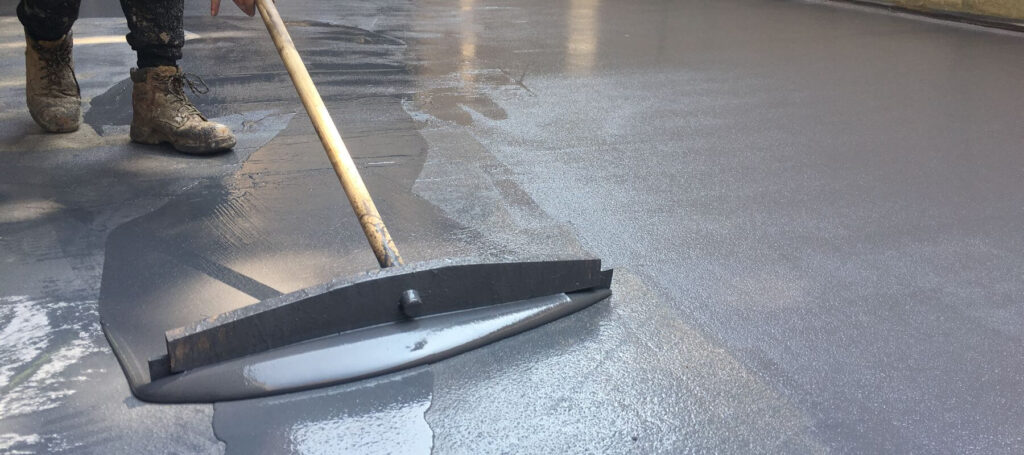
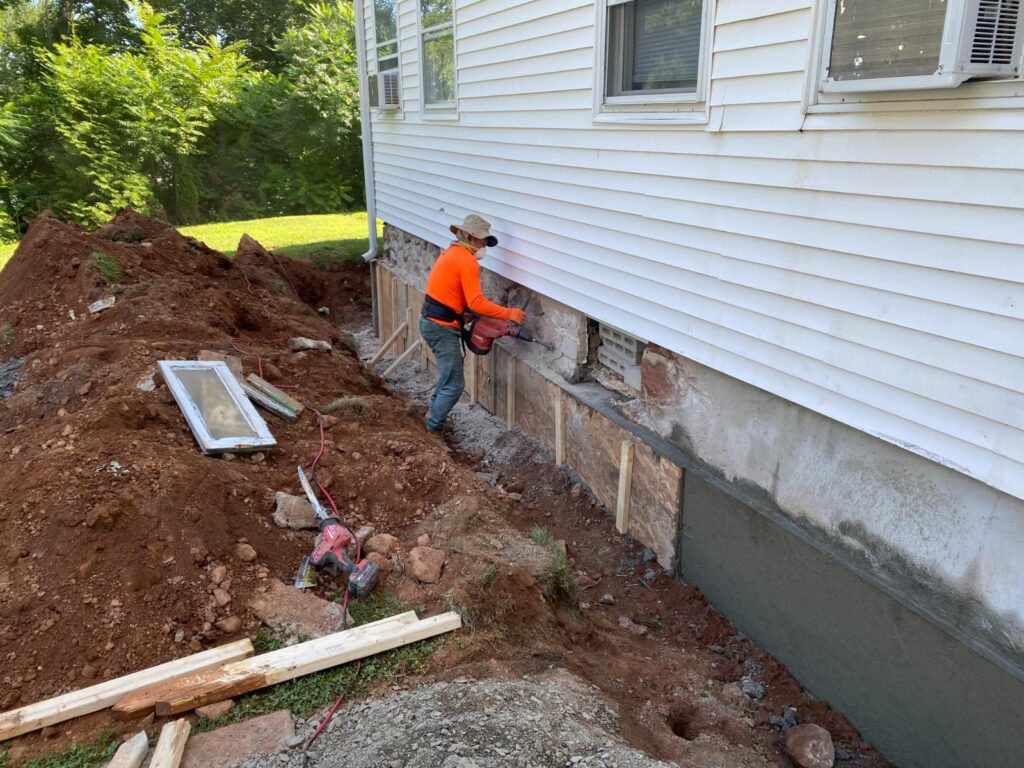
Exterior waterproofing stops water before it ever reaches your foundation walls. This method involves excavating the soil around your home’s perimeter, cleaning and repairing the foundation surface, applying a waterproof membrane or coating, and installing drainage boards and French drains. Exterior waterproofing is the most thorough solution but also the most invasive and expensive. Most experienced waterproofing companies recommend exterior waterproofing for new construction or major renovations when the foundation is already exposed.
Interior Waterproofing and Drainage
Interior waterproofing manages water after it has entered your basement. The most common interior solution is an interior drainage system — a perforated pipe installed along the perimeter of the basement floor, leading to a sump pump that ejects water away from the home. Interior waterproofing is less expensive than exterior work and does not require digging around your entire house. However, it does not stop water from entering; it simply manages it once it is inside. A trustworthy waterproofing company will be honest about whether interior solutions are sufficient for your situation.
Crack Injection and Spot Repairs
For homes with isolated foundation cracks, polyurethane or epoxy injection can seal leaks permanently. A licensed waterproofing contractor injects the sealant under pressure, filling the crack from the inside out. This method works well for non-structural cracks but does not address broader water intrusion issues. Many local contractors offer crack injection as a targeted repair rather than a whole-basement solution.
Sump Pump Installation and Maintenance
A sump pump is the heart of most interior waterproofing systems. When water collects in the drainage channel, the sump pump activates and pumps it out through a discharge pipe located away from your foundation. A reliable waterproofing company will install a pump with adequate capacity for your water volume, plus a battery backup system for power outages. Regular maintenance by a qualified contractor ensures your pump works when you need it most — during heavy storms.
Grading and Gutter Solutions
Sometimes the best waterproofing happens entirely outside your home. A local waterproofing contractor may recommend regrading the soil around your foundation so that surface water flows away rather than toward your home. Extending downspouts at least five feet from the house, cleaning gutters twice yearly, and installing gutter guards can solve many water problems without any interior work at all.
When to Call a Professional Waterproofing Contractor
Some water issues are DIY-friendly. Many are not. Knowing when to hire a professional waterproofing company saves you wasted time, ineffective fixes, and dangerous mistakes.
Standing Water in Your Basement
If you have more than a thin layer of water covering your basement floor, do not attempt to fix it yourself. Standing water indicates a serious failure of your home’s drainage or a high water table. A licensed waterproofing contractor has the equipment — heavy-duty pumps, moisture meters, and inspection cameras — to assess and solve the problem correctly.
Mold or Mildew Growth
Mold is not just unsightly; it is a health hazard. If you see black, green, or white growth on basement walls, floors, or stored items, you need professional help. A certified waterproofing contractor will identify and stop the moisture source first, then recommend remediation. Simply cleaning mold without fixing the underlying water problem guarantees it will return.
Foundation Movement or Bulging Walls
If your basement walls are bowing inward, cracking horizontally, or showing signs of movement, water pressure from outside is pushing against them. This is a structural emergency. Do not wait. A qualified waterproofing company will recommend solutions ranging from wall anchors and carbon fiber straps to complete foundation replacement depending on severity.
Persistent Humidity Despite No Visible Water
Relative humidity in basements should stay below 60 percent. If your basement feels clammy or you see condensation on pipes and walls, excess moisture is present even without puddles. A professional contractor can determine whether you need a dehumidifier, improved ventilation, or actual waterproofing measures.
What to Expect When Hiring a Waterproofing Company
Understanding the process helps you choose the right local contractor and feel confident in your investment.
Free or Low-Cost Inspection and Estimate
Most reputable waterproofing companies offer an initial inspection at no charge. A technician will examine your basement, crawl space, foundation exterior, gutters, downspouts, and yard grading. They will ask about past water problems, recent weather events, and any repairs you have attempted. After the inspection, they provide a written estimate describing the recommended work and the expected outcome.
Clear Explanation of Options
A trustworthy waterproofing contractor does not pressure you into the most expensive solution. They explain multiple approaches — from simple grading fixes to full interior drainage systems — and honestly describe the pros and cons of each. They answer your questions patiently and provide references from past customers.
Warranty for Work Performed
Professional waterproofing work comes with a warranty. A reputable company will guarantee their labor for a specified period, often one to five years. Many also offer transferable warranties that add value if you sell your home. Read the warranty carefully. Understand what is covered, what is excluded, and what void the warranty.
Clean, Respectful Workmanship
Waterproofing can be messy, especially interior drainage systems that require jackhammering concrete. A professional contractor contains dust and debris, cleans up thoroughly each day, and respects your home. They arrive on time, communicate clearly, and complete the work within the agreed timeframe.
Preventing Water Problems Between Professional Visits
Even after hiring the best waterproofing company, you play a role in protecting your home.
Maintain Your Gutters and Downspouts
Clean gutters twice per year — once in late spring and once in early fall. Ensure downspouts extend at least five feet from your foundation. Add downspout extensions or splash blocks if water pours out near the house. This simple maintenance prevents thousands of gallons of water from dumping next to your foundation annually.
Check Your Grading Annually
Walk around your home after heavy rain. Look for areas where water pools near the foundation. Add soil to low spots so that the ground slopes away from your house at a rate of at least one inch per foot for the first six feet. A local waterproofing contractor can help you assess whether regrading is needed.
Monitor Your Sump Pump Monthly
Pour a bucket of water into your sump pit. The pump should activate, remove the water, and shut off automatically. If it does not, call a professional contractor immediately. Test your battery backup system as well. Replace the pump every five to seven years even if it still works — pumps fail when you need them most.
FAQs
1. How much does it cost to waterproof a basement when hiring a professional company?
Costs vary significantly based on your home’s size, the severity of water problems, and the type of waterproofing needed. Interior drainage systems with a sump pump are generally more affordable than full exterior excavation.
2. Can I waterproof my basement myself instead of hiring a contractor?
Minor issues like sealing a single hairline crack or extending downspouts are reasonable DIY projects. However, true waterproofing — interior drainage systems, exterior excavation, or structural repairs — requires specialized tools, training, and experience.
3. How long does professional waterproofing last?
Quality waterproofing installed by a reputable contractor lasts decades. Interior drainage systems with a properly maintained sump pump typically last 20 to 30 years.
4. Will waterproofing increase my home’s resale value?
Yes, significantly. A waterproofed basement with a transferable warranty is a major selling point. Buyers fear water problems. Knowing that a licensed waterproofing contractor has addressed moisture issues gives them confidence and can justify a higher asking price. Disclosing past water problems without proof of professional repair often scares buyers away.
5. How do I choose the right waterproofing contractor for my home?
Look for a local contractor with at least five years of experience, positive online reviews, and membership in industry associations. Ask for references and actually call them. Verify that the company is licensed and insured.